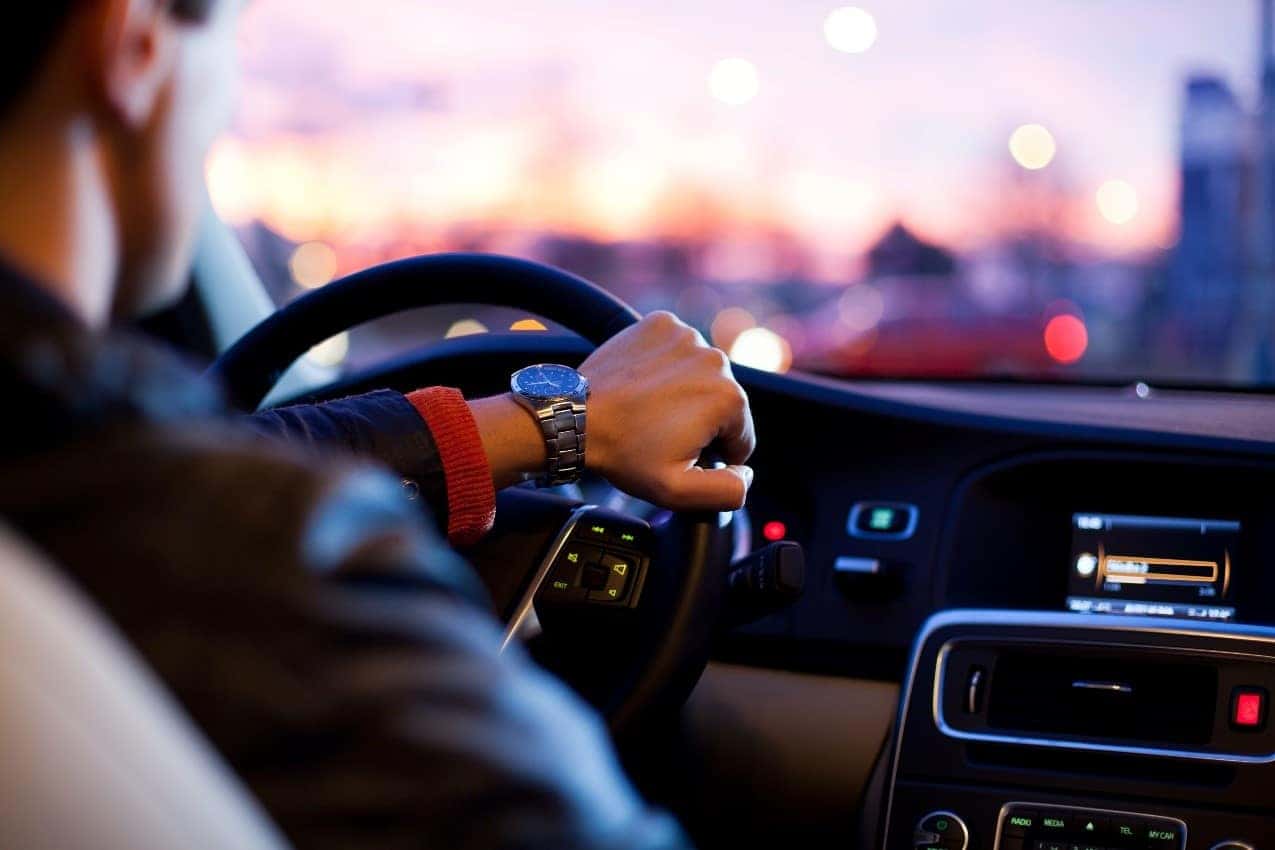
Even if you are an experienced driver, there are some traffic rules we always forget about.
We can’t 100% avoid accidents, especially if they are caused by situations that are out of our control, but we definitely can prevent some of them.
Proactive driving intends to anticipate possible hazards and take action to reduce, minimize or avoid danger before it can occur.
Never assume other drivers are always going to drive carefully or respond correctly at all times. Anticipating what might happen can help you avoid collisions caused by the driving errors of others.
Here are some tips, laws, guidelines, and resources to help drivers improve safety on Alberta roads.
Road rules for safe driving
Always wear a seatbelt
All drivers and passengers must be properly secured in the vehicle with a seatbelt or an approved child safety seat attached by a seatbelt or an anchor system.
Passengers 16 years of age and older not correctly secured in the vehicle can be fined. You, as the driver, are responsible for ensuring that all passengers in your car under 16 years of age are properly secured.
Scan all around your vehicle
You should give most of your attention to looking forward and scanning for hazards that are developing ahead of you. When driving in an urban area, look at least 12 to 15 seconds ahead of your vehicle, about 1 to 1 1/2 blocks.
When driving in rural areas, look at least 20 to 25 seconds ahead of your vehicle. This visual lead time provides you with time to respond to hazards ahead of you.
Check behind you by glancing in your rearview mirrors every eight to twelve seconds, about every block in an urban area. Glance in your rearview mirror when you anticipate slowing or stopping.
Be aware of vehicles on both sides and in your blind spots. Don’t forget to look at your speedometer to check your speed.
Watch for potential hazards
You should recognize two types of hazards. These are fixed (those that do not change) and variable (those that change) hazards.
Fixed hazards are permanent conditions and situations along the roadway, including:
- Restricted vision areas such as curves, hills, and hidden driveways
- Intersections
- Merging roadways
Variable hazards change through the day, including:
- School children and other pedestrians
- Left-turning vehicles
- Icy road surfaces
- “Stale” green lights
- Emergency vehicles
Be prepared to take action to avoid a problem as the situation changes. Expect the unexpected and always plan an escape route.
Have a space cushion
Leave enough space between yourself and the vehicle ahead, behind, and on either side to stop safely or steer around a possible hazard.
If someone is following too closely, and if it is safe, reduce your speed just enough to encourage them to pass. If the person does not pass, create a wider space cushion between you and the vehicle ahead.
When stopping behind another vehicle in traffic, leave enough space so that you can move your car into another lane without having to reverse. The extra space reduces the risk of hitting the vehicle ahead if you are hit from behind.
This also allows you to move out of the way of a vehicle that may be skidding or slipping on ice behind you.
Plan ahead
Plan your travel route before you set out, and keep it in mind as you drive. Be sure you are in the proper lane well before your exit or turning location. This will help you avoid making quick and dangerous lane changes.
If you miss your exit or turn, continue to the next exit or intersection. Never drive your vehicle in reverse on a roadway to return to a missed exit or turn. Use your signal lights to let other drivers know what you intend to do.
Collision avoidance
Watch the road ahead and stay alert. Watch for any possible problems. If you must turn sharply to avoid something in your lane, stay on your side of the yellow line.
Maintain your following time and distance
You should drive a minimum of 2 seconds behind the vehicle ahead. This is for normal road and weather conditions. When conditions are less than ideal, increase your following distance.
Start counting to know if you are 2 seconds behind the vehicle in front of you when it passes a fixed object like a road marking or a shadow on the roadway. Count one-thousand-and-one, one-thousand-and-two.
If the front of your vehicle reaches the object before you are finished counting, you are following too closely. Reduce your speed and count once more. The 2-second rule works at any speed.
Cellular phones and other distractions
Do not use a cellular phone or other electronic devices while driving. Using a cellular phone to make or receive calls or send a text message is a distraction that can take your attention away from the demanding task of driving.
This applies to hands-free cellular telephones as well. If you want to make or receive a call or receive or send a text message, stop in a safe and legal place.
Do not engage in activities that allow you to be distracted while driving. While all forms of distracted driving can be hazardous, the Traffic Safety Act includes fines and two demerits for inevitable distractions.
These include using a handheld cellphone, texting or emailing, using electronic devices such as laptop computers, video games, cameras, and video entertainment displays, programming portable audio players, entering information on GPS units, reading printing materials in the vehicle, writing, printing or sketching, and personal grooming.
Avoid getting fined
To avoid getting fined or getting in a car accident, follow the rules, regulations, and laws established to keep you and your loved ones safe.
Though you may take optimum care while on the road, you cannot eliminate the risk of an accident. Hence, investing in an insurance plan is highly recommended. You may further enhance your coverage by opting for a comprehensive car insurance plan.
Such a policy offers coverage for most accidental damages. Apart from owning an insurance plan, make sure you renew your car insurance on time before your existing insurance policy expiry.
A good insurance plan wouldn’t be complete without your dream car. House of Cars has won Best Used Dealership five years-in-a-row award-winning and the best-preowned car provider in Alberta, Canada. This means your dream ride is waiting for you on our lot.
Furthermore, aside from being one of the largest pre-owned inventories in Alberta, the House of Cars rebuilding program provides advice to customers on rebuilding their credit and getting the car finance that best suits their needs.
Check out our website for more information.