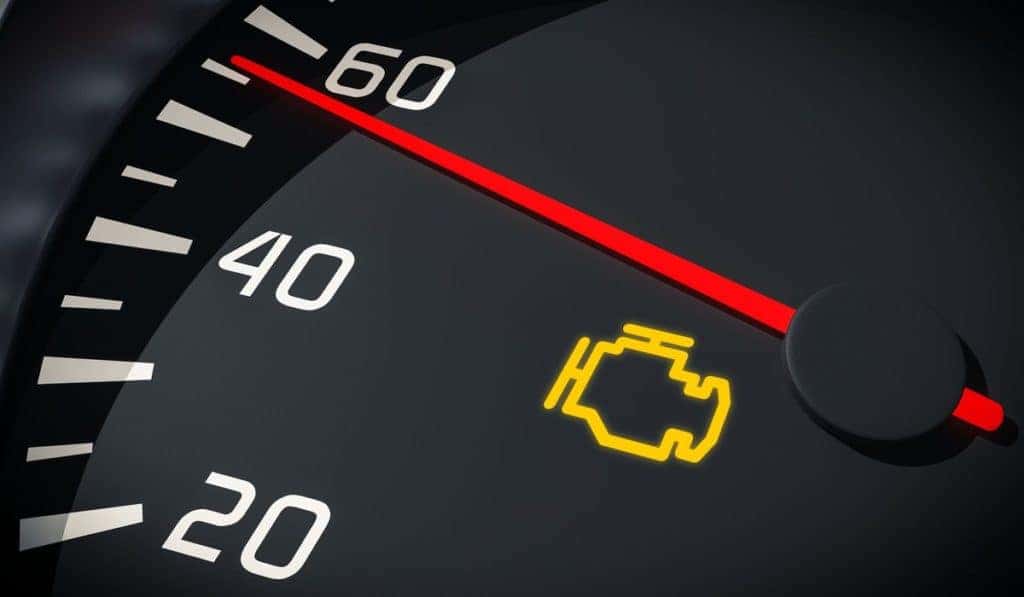
While your car’s instrument cluster may have multiple lights, the one that catches your attention is typically the one you don’t want to see - the check engine light. Though you may go an extended period without seeing it, once it illuminates, it's essential to take action.
The check engine light can activate for various reasons, serving as an indication that something is amiss, but without additional information. Ignoring it can pose a danger to both you and your vehicle. However, a lit check engine light doesn't always imply an urgent threat. It could be as simple as a loose gas cap, but it's crucial to investigate and confirm that the issue is not severe or pressing.
What Do Check Engine Light Colours or Actions Mean?
The colour of the check engine light can vary and may not always be the same. It can display in red, orange, or yellow, depending on the vehicle. In certain cars, a red check engine light indicates a severe problem that warrants immediate attention, and you may need to have your car towed.
Alternatively, some vehicles use a blinking check engine light to indicate the same level of severity. While solid orange or yellow lights are less severe, it's still important to have them examined to determine the cause.
One of the typical causes for the check engine light to illuminate is a loose fuel tank cap. You'll know if this is the case if the light appears right after you've filled up at a gas station. Checking the cap should be your initial step, as it's a straightforward task that doesn't necessitate technical expertise. If the cap is damaged or not functioning correctly, replacing it is inexpensive and can be done quickly by any mechanic.
Alternatively, the check engine light could relate to specific components under the hood. Here are some of the most frequent check engine warnings:
Oxygen Sensor (or O2 sensor)
The oxygen sensor gauges the amount of fuel consumed by the vehicle. Typically, cars have two to four oxygen sensors, and if any of them are faulty, it can activate the engine light. A defective sensor can lead to reduced gas mileage and increased emissions. If left unaddressed, it can cause harm to the catalytic converter, which is a costly repair with a minimum expense of $1,200. On the other hand, replacing the oxygen sensor is a less invasive repair, and it has an average cost of $260, which could be a do-it-yourself job.
Catalytic Converter Failure
The catalytic converter has a significant function in the car's exhaust system as it transforms the carbon monoxide emitted by the engine into carbon dioxide. While it's not a complex component, repairing it can be costly, making it essential to maintain. Consistent oil changes can aid in its proper operation. Other components, such as faulty oxygen sensors or spark plugs, can impact the converter's functionality. Catalytic Converter theft is a big problem in Alberta, and if your catalytic converter is missing, that could be why you're seeing a check engine light.
Spark Plug or Ignition Coil Failure
The ignition coils produce the electrical charge that the spark plugs employ to ignite the engine's cylinders. Therefore, any malfunction during this process may activate the engine light. It's crucial to keep in mind that diesel engines don't have coils or spark plugs, making this problem exclusive to gasoline-run vehicles.
If your car is slow to accelerate, worn-out spark plugs may be the culprit. However, defective ignition coils can lead to similar issues, so if you suspect that the spark plugs are the problem, it's possible that the ignition coil is also responsible.
Mass Airflow Sensor Failure
The mass airflow sensor performs two critical functions: monitoring the amount of air entering the engine and relaying this information to the car's computer to determine the proper fuel input. If it begins to malfunction, it can lead to increased emissions or even engine stalling.
One of the primary reasons for this issue is the air filter. If the filter is not installed correctly or hasn't been replaced, it can cause blockages that disrupt airflow, leading to sensor failure. Substituting the mass airflow sensor is a relatively costly repair, amounting to roughly $400. Still, you can prevent it by replacing the filter regularly.
Replace the thermostat
Similar to a standard household thermostat, the engine thermostat controls the flow of coolant. However, unlike a typical thermostat, it manages the coolant flow to the engine. If dirt or other materials contaminate the coolant, it can become corrosive, leading to an overheated engine.
While not the same problem, a coolant leak can also trigger the engine light when the engine temperature rises too much. Detecting a leak is easier since greenish drops or puddles will appear after the car has been parked for an extended period.
Replace Exhaust Gas Recirculation (EGR) Valve & Clean All EGR Ports
The EGR valve helps regulate the level of nitrogen oxide emitted from the car's engine by redirecting exhaust gas back into the combustion chambers to lower its temperature. In modern cars, the valve is electronically controlled by the onboard computer, and any issues with the flow could cause the engine light to turn on.
A buildup of carbon can cause the valve to become stuck and clog the system, which may be noticeable through visual inspection under the hood or a stall or hiccup while idling. Cleaning the valve is possible, but it may not be easily accessible in every car. If the buildup is significant, replacing the valve and a new gasket can cost approximately $500, depending on parts and labor.
If you have a check-engine light and need a diagnosis, our service department can help you out!